
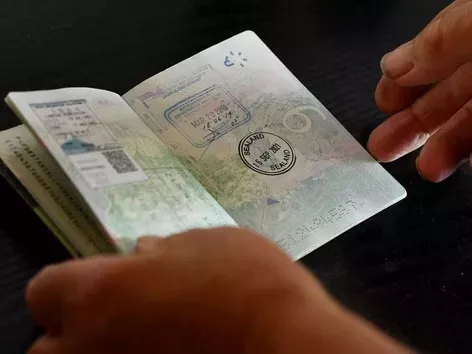
The visa requirements for Belgium vary depending on the length of your stay, your nationality, and the purpose of your visit. Citizens of the European Economic Area (EEA), including EU member states, along with Norway, Iceland, Liechtenstein, and Switzerland, do not need a visa to enter Belgium. Additionally, Monaco nationals are also exempt from visa requirements.
For most non-EEA nationals, including UK citizens (now considered non-EEA post-Brexit), obtaining a work visa is mandatory before arriving in Belgium for employment purposes. This visa ensures you have the necessary permission to enter and work in Belgium. Visitors planning to stay for over 90 days should avoid entering Belgium on a tourist visa.
When dealing with complex migration issues, it is recommended to seek the help of a specialized lawyer to ensure a full understanding of the legal intricacies. Consider scheduling a consultation.
Starting the Work Visa Application Process
Visa applications must be initiated at the Belgian embassy or consulate in your country of residence. You can find the contact details of all Belgian embassies and consulates worldwide on official government websites. It’s important to note that many embassies require appointments to submit visa applications, and schedules can fill up quickly, particularly during peak times of the year. Therefore, it is advisable to start the application process as early as possible, as the standard process can take six to eight weeks.
Types of Visas
- Short-Stay Visa (Type C):
This visa allows the holder to travel within and stay freely in any of the Schengen area member countries for a maximum of 90 days in any 180-day period. Also known as the Schengen visa, it is only applicable for short visits. If you have a valid residence card issued by another Schengen country that is valid for the duration of your trip, you can enter and stay in Belgium for up to 90 days without needing a separate visa.
- Long-Stay Visa (Type D):
Also called the “Authorisation for Provisional Sojourn,” this visa permits the holder to enter Belgium for stays exceeding 90 days, making it suitable for work, study, or other long-term purposes.
You also may be interested to read about Student Visa to Belgium.
Visa Requirements
One of the primary requirements for a work visa is proving that you have sufficient financial resources. For instance, you must demonstrate that you can financially support yourself throughout your stay in Belgium. The minimum required amount for the 2024-2025 academic year is €803 per month, although this amount may be subject to change, so it’s essential to check the latest requirements on official websites.
Acceptable proofs of financial solvency include:
– A scholarship
– Proof of personal financial resources
– A “commitment of financial responsibility” from a sponsor
For individuals supporting themselves, the recommended procedure is to use a “blocked account” or to deposit a bank guarantee covering the required minimum for 12 months into a financial institution that handles blocked accounts for visa purposes (for example, Studely). Your host institution in Belgium can assist you with this process, so be sure to inquire for guidance.
Required Documents for a Long-Stay Visa (Type D)
To apply for a long-stay visa to Belgium, you’ll need to provide the following documents:
– A valid job offer or employment contract from a Belgian employer
– A valid passport with at least 12 months remaining before expiry at the time of the application
– Proof of solvency
– A certificate of good conduct (criminal background check)
– A medical certificate proving you meet health requirements
– Proof of payment of any applicable administrative fees
Additionally, Chinese nationals intending to work in Belgium must obtain an APS certificate issued by DAAD Beijing, following the cooperation agreement between Belgium and China.
Read more about Short-Term Visa to Belgium.
Post-Arrival Procedures
Upon arriving in Belgium, it is mandatory for all non-EEA nationals to register with the local city hall in the town or city where they will reside. This registration process should be completed as soon as possible after arrival.
Documents Needed for Registration
When registering at the local city hall, you will need to present:
– Your passport or identity card
– Proof of registration at your Belgian host institution or employment confirmation
– Proof of health insurance coverage
– Recent passport photos (no more than six months old)
– A copy of your rental contract, if applicable
Non-EEA nationals must provide additional documents:
– Passport with the long-stay visa for Belgium
– Proof of financial solvency (such as bank statements, scholarship proof, or financial sponsorship)
By ensuring you meet all these requirements and preparing your documents ahead of time, you can successfully navigate the Belgian visa application process for long-term work stays.
For complex migration issues, it is recommended to consult a specialized lawyer for an accurate understanding of the legal details. Sign up for a consultation and consider your options.