
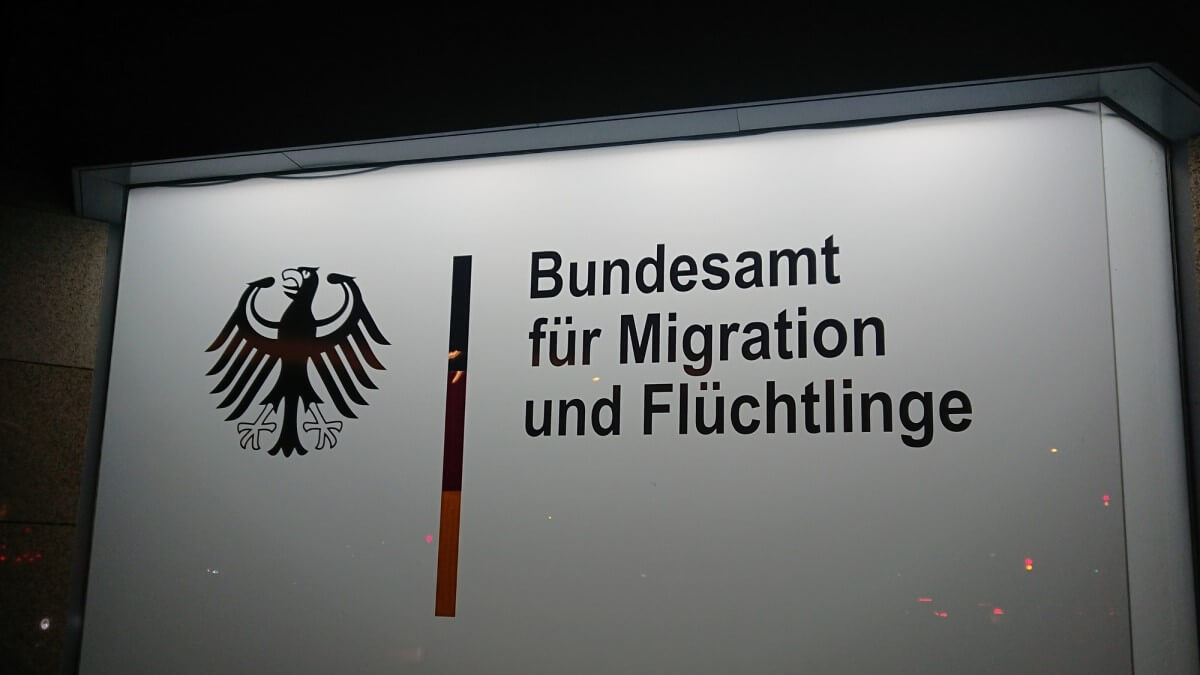
Navigating the asylum process in Germany can be complex, as various protection categories exist to safeguard those fleeing danger and persecution. Individuals granted asylum are allowed to remain in Germany following the completion of their application process. The Federal Office for Migration and Refugees (BAMF) assesses the applications and determines which form of protection, if any, is applicable based on the applicant’s circumstances and reasons for leaving their home country.
Understanding the Types of Asylum Protection
Refugee Status under the 1951 Geneva Convention
Refugee status is granted to individuals who find themselves outside their country of origin due to severe human rights violations linked to their race, religion, nationality, political beliefs, or membership in a specific social group. This form of protection is essential for those who face persecution for their convictions or identity and can no longer safely reside in their home countries.
The distinction between refugees and asylum seekers is primarily rooted in legal frameworks. Refugees are protected under the 1951 Geneva Refugee Convention and its 1967 Protocol, while asylum rights are outlined in Germany’s Basic Law. Despite these differences, the grounds for recognition often overlap. Notably, individuals cannot be recognized as refugees if a safe area exists in their home country where they can find security and stability.
Once granted refugee status, individuals receive a residence permit, typically valid for three years. If conditions in the home country do not improve during this period, the permit may be extended.
When dealing with complex migration issues, it is recommended to seek the help of a specialized lawyer to ensure a full understanding of the legal intricacies. Consider scheduling a consultation.
Asylum Rights According to the German Constitution
The German constitution also provides asylum for victims of political persecution. However, this is contingent upon the applicant not having traveled to Germany from a designated safe third country, which includes all EU member states as well as Norway and Switzerland. Consequently, only a limited number of applicants receive asylum under Article 16a of the German Constitution.
For those entering Germany by air, political persecution is acknowledged if returning to their home country poses a threat to their life or freedom. This includes scenarios of imprisonment or other violations of dignity based on factors such as race, religion, nationality, political beliefs, or social group affiliation. It’s important to note that persecution must originate from state actors or groups that either suppress the state or are inadequately protected by it. General dangers arising from war or natural disasters do not qualify as political persecution.
Individuals granted asylum receive a residence permit, allowing them to live in Germany for three years, which may be renewed if their home country remains unsafe.
You may be also interested to read about Asylum in Lithuania: Understanding Your Rights and Options.
Subsidiary Protection for Individuals Facing Serious Harm
Subsidiary protection is an alternative for those not directly threatened by political persecution but who are at risk of serious harm due to human rights violations in their home country. This includes threats of torture, inhumane treatment, or serious risks posed by armed conflict. Subsidiary protection is often applicable in situations where civilians face general dangers during wartime, particularly when there is a high likelihood of violence leading to death or severe injury.
If granted subsidiary protection, individuals receive a residence permit valid for a minimum of one year, which can be extended for an additional two years if conditions in their home country remain perilous.
For complex migration issues, it is recommended to consult a specialized lawyer for an accurate understanding of the legal details. Sign up for a consultation and consider your options.
National Ban on Forced Return
In cases where individuals do not qualify for refugee status, asylum, or subsidiary protection, the BAMF will consider whether there are other compelling reasons to prevent their return. For instance, if an individual suffers from a serious illness that lacks adequate treatment options in their home country, they may receive a residence permit for at least one year, subject to renewal.
It is crucial to note that being physically unable to travel or lacking a passport does not automatically provide protection against forced return. In such instances, the Immigration Office evaluates whether temporary stay in Germany is warranted.
The asylum process in Germany encompasses various forms of protection, each with specific criteria and rights. Understanding the distinctions between refugee status, asylum rights, and subsidiary protection is vital for those seeking safety and stability in Germany. If you believe you may qualify for any form of protection, it is important to seek guidance and support to navigate this complex legal landscape effectively.
When dealing with complex migration issues, it is recommended to seek the help of a specialized lawyer to ensure a full understanding of the legal intricacies. Consider scheduling a consultation.