
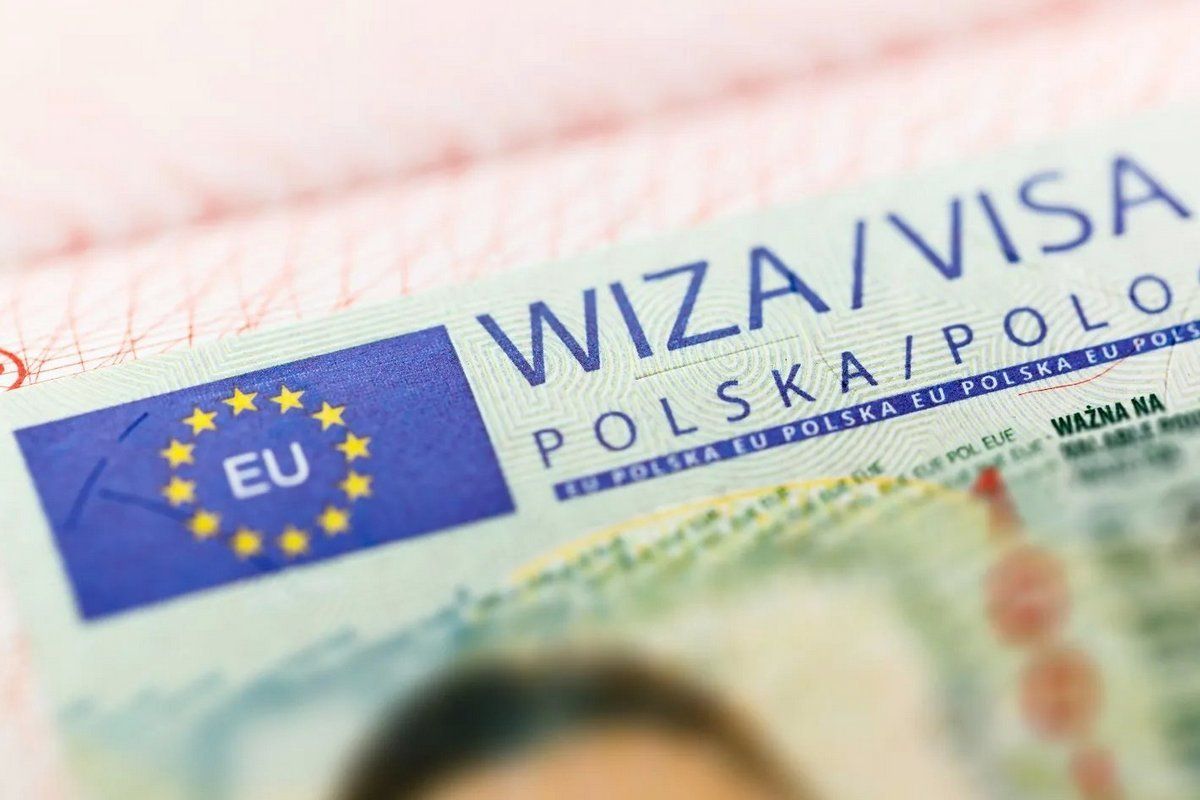
If you’re a non-EU citizen considering Poland for your next career move in, understanding the visa process is key to a smooth transition. This guide will walk you through everything you need to know about obtaining a working visa in Poland, applying for a residence permit, and navigating important steps for living and working in the country.
Visa Requirements for Poland
For non-EU nationals, Poland offers two primary types of visas:
1. Short-Stay Schengen Visa (C-type): This visa allows you to stay in Poland for up to 90 days, ideal for tourists, business visitors, or short-term trips.
2. National Visa (D-type): For stays longer than 90 days, particularly for work, study, or family reunification. This is the visa you’ll need if you plan to work in Poland.
To obtain a working visa in Poland, you’ll need a National D-type Work Visa. This visa requires a job offer from a Polish employer, who may need to prove that the role could not be filled by an EU citizen. The work visa is typically valid for the length of your employment contract, up to one year, and is renewable.
To navigate this complex process, it’s highly recommended to consult a lawyer. Booking a legal consultation early can help you secure the best possible outcome.
Key Documents for a Work Visa
To apply for a working visa in Poland, you will need to submit the following documents to the Polish embassy or consulate:
– A valid passport
– A completed visa application form
– Recent passport-sized photos
– Proof of health insurance
– Employment contract
– Proof of accommodation (if required)
As visa processing times can vary, it’s wise to apply well in advance of your planned arrival.
Securing a Residence Permit
Once you’ve entered Poland with a work visa, the next step is obtaining a temporary residence permit. This permit allows you to stay legally for an extended period while working. The application process typically requires proof of employment, accommodation, and other supporting documents.
Recent amendments to Poland’s migration laws, as of June 24, 2023, have introduced changes that affect long-term EU resident permits. Staying informed about these updates is essential for a smooth process.
Take immediate action and contact an attorney to access exceptional assistance and services. Schedule a consultation right away.
Health Insurance and Tax Considerations
Health insurance is mandatory for all workers in Poland, including non-EU citizens. Your employer may provide insurance coverage, or you might need to purchase private health insurance.
Poland operates a progressive tax system, and recent updates in tax rates and social security contributions came into effect on July 1, 2023. As a non-EU worker, you’ll be required to pay taxes on your income in Poland, so it’s important to understand the tax implications and seek advice if needed.
Extensions and Staying Updated
Poland frequently updates its immigration laws to address labour market needs and streamline processes. Staying up to date with any changes to immigration procedures is crucial to maintaining your legal status in the country. Regularly check government websites or seek advice from immigration professionals to stay compliant.
Making Your Stay in Poland Smooth
To ensure a seamless transition to life in Poland, keep these tips in mind:
– Learn Basic Polish: While many people speak English, knowing some Polish can make everyday interactions easier and more enjoyable.
– Understand Polish Labour Laws: Familiarize yourself with local regulations regarding working hours, employee rights, and holidays to ensure you know your entitlements.
– Adapt to Polish Culture: Embrace Poland’s rich cultural heritage, explore its beautiful landscapes, and engage with local communities to enrich your experience.
Enjoying Life in Poland
Poland offers more than just career opportunities. With its rich history, stunning natural beauty, and vibrant cities, you’ll find plenty to explore. Whether you’re walking through historic streets or enjoying the country’s diverse landscapes, Poland provides a high quality of life that will enhance your experience both professionally and personally.
By understanding the process of obtaining a working visa in Poland and preparing accordingly, you can ensure a successful move. With proper planning, Poland’s dynamic work environment and cultural offerings will make your stay both rewarding and enjoyable.
When dealing with complex migration issues, it’s advisable to seek assistance from a specialized lawyer, especially when you need to understand the legal nuances related to working visa in Poland. Consider scheduling a consultation for comprehensive guidance and effective visa application.